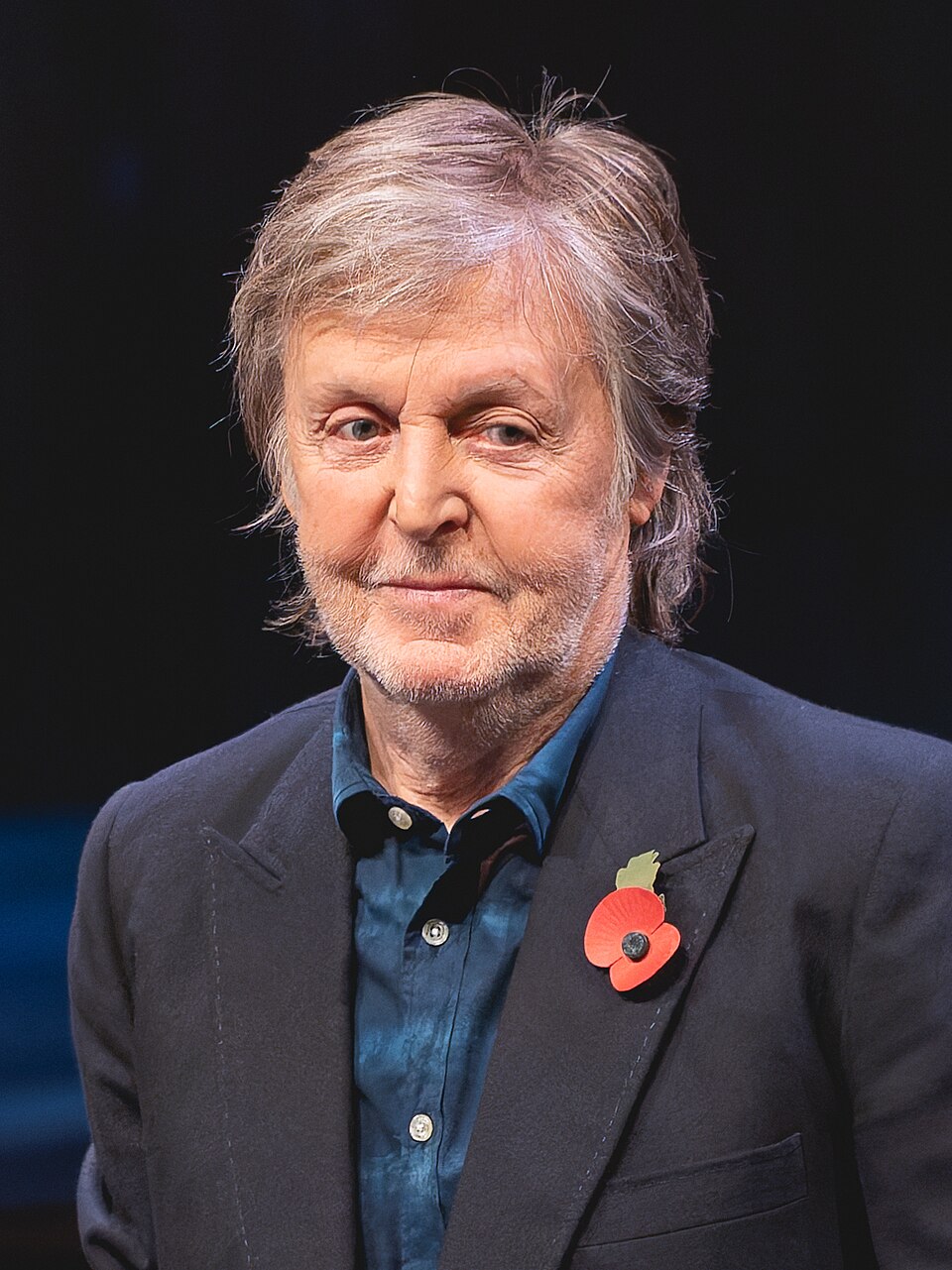
Paul Singer, the enigmatic founder and CEO of Elliott Management Corporation, is a figure synonymous with aggressive activist investing and formidable financial acumen. His career spans decades, marked by high-stakes battles, significant returns, and a distinctive investment philosophy that has cemented his place among the world's most influential and wealthiest individuals. Understanding paul singer net worth is not merely about a number; it's a journey into the intricate world of hedge funds, distressed debt, and the power dynamics of global finance.
Unpacking Paul Singer's Financial Journey: From Lawyer to Billionaire Investor
Born in 1944, Paul Singer's journey to becoming a financial titan began with a strong academic foundation. He earned a B.S. in psychology from the University of Rochester in 1966 and a J.D. from Harvard Law School in 1969. While his initial career path led him to a legal role at the investment bank Donaldson, Lufkin & Jenrette, it was clear his ambitions lay beyond traditional law.
The Genesis of Elliott Management
In 1977, with just $1.3 million raised from friends and family, Paul Singer founded Elliott Management Corporation. From its inception, the firm adopted a unique and often contrarian approach to investing. While many hedge funds focus on specific sectors or short-term gains, Elliott developed a reputation for its willingness to engage in complex, long-term battles, particularly in the realm of distressed debt and activist investing. This foundational strategy would prove instrumental in building his colossal personal wealth and the firm's global influence.
Singer's early success stemmed from identifying undervalued assets and companies facing significant challenges, then actively working to unlock their value, often through contentious means. This hands-on, interventionist style set Elliott apart and laid the groundwork for its exponential growth and, by extension, the impressive trajectory of paul singer net worth.
The Current State of Paul Singer Net Worth: A Deep Dive into the Numbers
Estimating the precise paul singer net worth can fluctuate given market dynamics and the private nature of much of his wealth. However, reputable financial publications, such as Forbes, consistently place him among the world's billionaires. As of various recent estimates, his net worth typically ranges from $5 billion to upwards of $6 billion. This staggering figure is primarily derived from his ownership stake in Elliott Management, one of the oldest and most successful hedge funds globally, which manages tens of billions of dollars in assets.
The growth of Paul Singer's wealth is inextricably linked to the performance and scale of Elliott Management. The firm's assets under management (AUM) have swelled significantly over the decades, reaching over $60 billion at times. As the founder and controlling principal, Singer's share of the management fees (typically 2%) and performance fees (often 20% of profits) on such a vast sum represents a substantial and continuous stream of income that has propelled his personal fortune to extraordinary levels.
Key Contributors to His Wealth
- Activist Investing: Elliott Management is renowned for its activist campaigns, where it acquires a significant stake in a public company and then pushes for strategic changes, operational improvements, or a sale to boost shareholder value. These campaigns, often lengthy and aggressive, have yielded immense returns for the fund and its investors, including Singer himself.
- Distressed Debt and "Vulture Investing": A cornerstone of Elliott's strategy involves purchasing the sovereign debt of financially troubled nations or companies at steep discounts, then pursuing full repayment through legal means, sometimes for years. The high-profile battle with Argentina over its defaulted bonds, which spanned over a decade and ultimately resulted in a multi-billion-dollar payout for Elliott, is a prime example of this highly profitable, albeit controversial, approach. For a more detailed look at the financial mechanics, consider reading paul singer net worth - Article 2.
- Macro Trading: Beyond specific companies or debts, Elliott also engages in global macro trades, betting on broad economic trends, currency movements, and interest rate changes. Singer's keen understanding of macroeconomic forces has allowed the fund to capitalize on various global events, further solidifying his wealth.
Paul Singer's Investment Philosophy and Notable Campaigns
Paul Singer's investment philosophy can be characterized by a relentless pursuit of value, a deep understanding of legal and financial structures, and an unparalleled willingness to fight for his positions. He often describes Elliott as a "constructive" activist, arguing that their interventions ultimately benefit all shareholders by forcing inefficient companies to streamline or restructure. Critics, however, often label the firm as a "vulture fund" due to its aggressive tactics and pursuit of profits from distressed assets.
High-Profile Activist Engagements
Elliott Management's list of activist targets is long and diverse, spanning various industries and geographies. Some notable examples include:
- Argentina Debt Saga: This was perhaps Elliott's most famous and protracted battle. After purchasing Argentine sovereign bonds at a discount following the country's 2001 default, Elliott engaged in a 15-year legal fight that eventually led to Argentina paying over $2.4 billion to the fund and other holdout creditors.
- Hess Corporation: Elliott launched a proxy battle against Hess in 2013, criticizing the company's performance and management. This campaign ultimately led to significant board changes and strategic divestitures, boosting shareholder value.
- AT&T and VMware: More recently, Elliott has engaged with major tech and telecom giants, pushing for operational improvements, asset sales, and changes in corporate strategy, often resulting in favorable outcomes for the fund.
Singer's approach involves exhaustive research, legal expertise, and a readiness to use public pressure and proxy contests to achieve his goals. This hands-on, often confrontational, style has been a significant factor in his wealth accumulation.
Beyond the Billions: Paul Singer's Philanthropy and Political Influence
While his business dealings are often in the spotlight, Paul Singer is also a significant figure in both philanthropy and conservative politics. His wealth allows him to exert considerable influence across various sectors.
Major Philanthropic Endeavors
Singer is a notable philanthropist, with a particular focus on causes such as:
- LGBTQ+ Rights: Despite being a staunch Republican, Singer is a prominent supporter of LGBTQ+ rights, having donated millions to organizations advocating for marriage equality and other related causes. This position often places him at odds with parts of his own political party.
- Conservative Think Tanks and Policy Groups: He is a major donor to a variety of conservative and libertarian organizations, including the Manhattan Institute for Policy Research and the American Enterprise Institute, influencing policy discussions and research.
- Educational Institutions: Singer has also contributed significantly to educational institutions, including his alma maters.
Political Activism and Donations
Paul Singer is recognized as one of the most prolific Republican donors in the United States. He has funneled hundreds of millions of dollars into political campaigns, PACs, and super PACs, aiming to support conservative candidates and influence elections at both federal and state levels. His political activity often focuses on promoting free-market principles, reducing government regulation, and strengthening national security.
His deep pockets and strategic political giving underscore the immense power that individuals of his net worth can wield in shaping public discourse and policy outcomes. For additional perspectives on how his financial strategies intertwine with his broader influence, you might explore paul singer net worth - Article 3.
Strategies Behind the Success: Lessons from a Hedge Fund Titan
The sustained growth of paul singer net worth is not accidental; it is the result of a meticulously crafted and rigorously executed investment strategy. While not every investor can replicate the scale or tactics of Elliott Management, there are underlying principles that offer valuable insights:
Characteristics of Elliott Management's Strategy
- Deep Research and Due Diligence: Elliott's team conducts exhaustive research into potential targets, understanding every facet of their financial, legal, and operational structures.
- Patience and Long-Term Vision: Unlike many funds seeking quick returns, Elliott is prepared to engage in multi-year battles to realize value.
- Legal Acumen: Leveraging legal expertise is a core component of their strategy, particularly in distressed debt and complex corporate restructurings.
- Willingness to Be Controversial: Singer is not afraid to challenge established norms or take unpopular stances if he believes it will ultimately benefit his investors.
- Global Scope: Elliott operates on a global scale, identifying opportunities in various markets and jurisdictions.
These elements, combined with Singer's formidable intelligence and unwavering determination, have forged a path to remarkable financial success and a prominent place in the pantheon of Wall Street legends.
Conclusion
Paul Singer's net worth is a testament to a career defined by strategic brilliance, aggressive tactics, and an unyielding commitment to his investment philosophy. From his humble beginnings with a small fund to leading a multi-billion-dollar hedge fund empire, Singer has left an indelible mark on the financial world. His wealth, estimated in the many billions, is a direct reflection of Elliott Management's extraordinary success in activist investing, distressed debt, and macro trading. Beyond the numbers, Singer's influence extends into the realms of philanthropy and politics, solidifying his status as a complex and highly impactful figure. Understanding paul singer net worth means appreciating not just the sheer scale of his fortune, but also the intricate strategies, controversies, and broader societal contributions that define his legacy.
